Utilities companies own and operate the infrastructure that keeps households and businesses running. It’s the electricity networks, gas pipelines, water treatment and waste management.
ASX Utilities
The essential services sector. Reliable income and inflation-linked growth hiding in plain sight.
What are ASX Utilities stocks?
Utitlities companies are the essential services. Demand doesn’t disappear in a recession.
Utilities are the quiet achievers of the ASX. Everyone uses electricity, gas and water and someone owns those assets. The question is: are they worth a place in your portfolio?

Richard Hemming
Editor
Utilities stocks on the ASX
Utilities sector includes both blue chip network operators and smaller growth companies riding the energy transition. Look for market leaders dominating the domestic customer base.
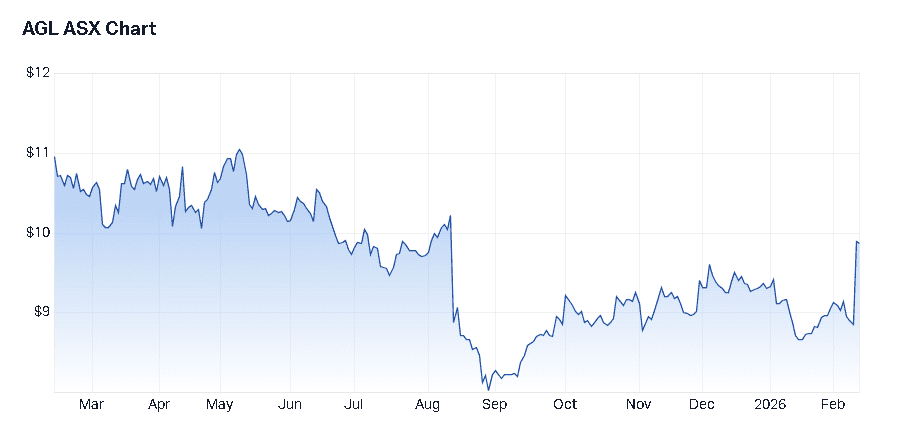
AGL Energy $AGL
AGL is a transitioning utility but tight margins, capital requirements and policy dependencies are headwinds.
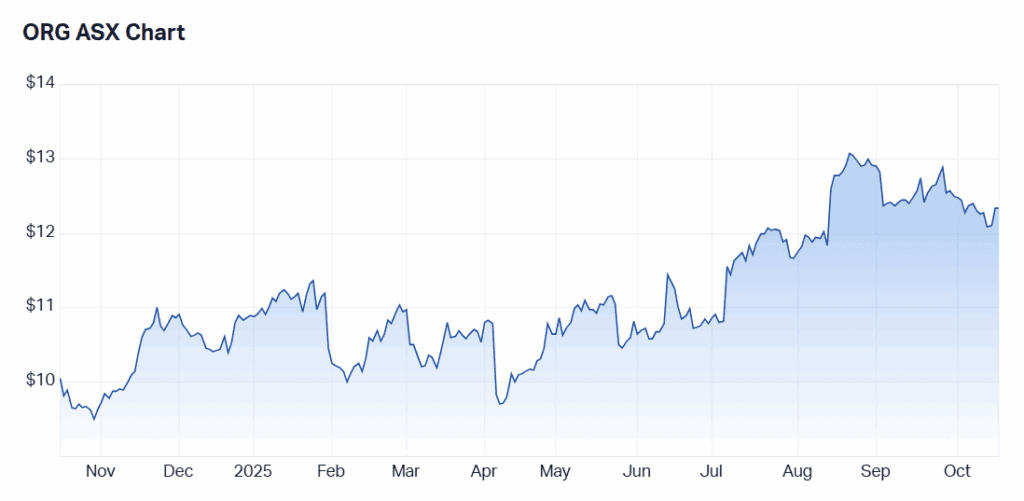
Origin Energy $ORG
Origin is a long-term growth from rising electricity demand, high yield, but low growth.
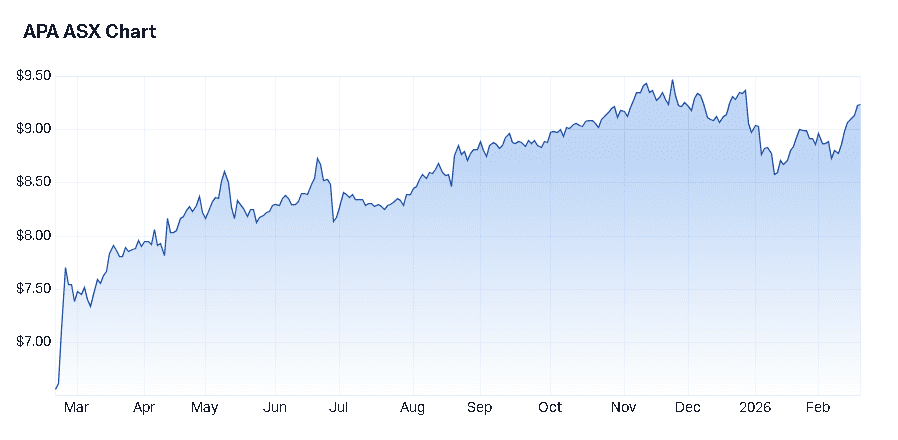
APA Group $APA
Gas is getting more important and APA has a monopoly on distribution.
Read the full research in our Blue Chip Report
Why invest in ASX Utilities?
Utilities are one of the most misunderstood sectors on the ASX and can be a strong core of your portfolio.
Here’s why Utilities deserve a place in your portfolio:
- Reliable dividends. Utilities generate predictable, regulated cash flows — the kind that supports consistent dividend payments year after year.
- Inflation protection. Many utility contracts are linked to CPI, which means revenue grows as the cost of living rises.
- Energy transition tailwinds. The shift to renewables is reshaping the sector. Grid infrastructure, battery storage and smart metering are creating new winners.
- Defensive quality. When markets sell off, Utilities often hold their ground. Essential services don’t get switched off.
What to watch in Utilities?
The sector is being reshaped by Australia’s energy transition.
Ageing coal-fired assets are being replaced, electricity grids are being upgraded and new players are emerging in renewables, storage and distributed energy.
For investors, this creates both risk and opportunity. The old model, own the poles and wires, collect regulated revenue, is evolving. Companies that adapt will thrive. Those that don’t face stranded assets and margin pressure.
Understanding which companies are on the right side of this transition is the difference between a great investment and a costly one. That’s where our research comes in.
Stay Ahead of the Market
Get regular insights, expert investing tips, and the latest performing ASX small cap stocks delivered straight to your inbox.
Sign Up to our newsletter to join 10,000+ Aussie investors
"*" indicates required fields
FAQs
Yes, particularly the large network operators. Regulated revenue streams and long-term contracts make Utilities one of the more reliable dividend-paying sectors on the ASX. But not all Utilities are equal. Payout ratios, debt levels and regulatory outcomes all matter. Our Blue Chip research covers our preferred income plays.
There are around 30 companies in the ASX Utilities sector, ranging from large integrated energy businesses to smaller renewable and infrastructure players. We focus on the ones with the best risk-reward profile.
Both – and that’s exactly why research matters. Some legacy businesses face real headwinds. But the infrastructure required for the transition to renewables represents one of the biggest capital investment cycles in Australian history. Knowing which companies are positioned to benefit is where Under the Radar Report adds real value.
Both. Defensive income characteristics make Utilities a natural fit in a Blue Chip core portfolio. But select small cap players in the renewable and grid technology space offer genuine growth potential for investors willing to do the research.
Learn more about our recommended Portfolio Strategy
Our track record
300+
Small Cap Stocks Tipped.
79.9%
Average Return.
87.2%
Best Buys Stock List average return.