CSL and CBA Fall 10%: Here’s Where We See Opportunity
What a week it’s been for ASX investors.
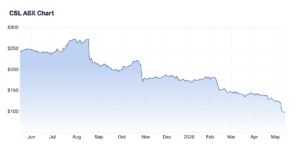
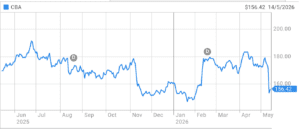
Both CSL and Commonwealth Bank have been carted by more than 10%, leaving many investors asking the same question:
Which one would you buy? Our answer is CSL.
Not because the company is perfect far from it. In fact, CSL has now delivered its fourth profit warning in nine months. But after a shock like this, there is often residual damage that creates long-term opportunity for patient investors.
As the old saying goes, profit warnings are like London buses they come in threes. Sometimes four.
The important thing is not reacting emotionally. It’s understanding value.
The Biggest Factor in Investing Success
Blue chips are absolutely worth owning. But like everything in investing, only when you buy them at the right price.
The biggest determinant of your return is the price you pay.
That’s one of the reasons we’ve seen such sharp moves in both CSL and CBA. These companies became expensive partly because massive ETF and index fund inflows continued pushing prices higher regardless of fundamentals.
When a stock becomes increasingly important to a major index, fundamentals can start to matter less in the short term. That creates risk. Read more on CSL in Richard Hemming’s interview with SBS here.
What Actually Matters? Fundamentals
At Under the Radar Report, we continue to focus on the things that ultimately drive long-term shareholder returns:
- Earnings growth
- Balance sheet stability
- Dividend yield
- Valuation
These fundamentals matter far more than hype or momentum over the long run.
The problem in today’s market is that some large-cap stocks have been bid up to levels that are difficult to justify based on those fundamentals alone.
That’s why we continue looking for value. And right now, CSL is starting to look far more interesting.
Why We Still Believe Small Caps Offer the Best Value
While value is beginning to emerge in parts of the blue-chip market, the best value opportunities are still more prevalent at the small end of the ASX.
This is where we believe investors can continue generating strong long-term returns without necessarily taking on more risk — provided they follow a disciplined process.
At Under the Radar Report, our Small Cap Portfolio has delivered approximately 17% compound annual growth over the past three years, compared to around 6% for the S&P/ASX All Ords Index.
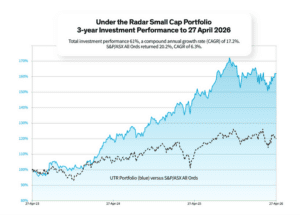
That outperformance hasn’t happened by chasing speculative themes or flavour-of-the-month stocks.
It’s come from identifying quality companies trading at attractive prices and managing risk carefully.
Watch out for Profit Warnings
We’re now moving into confession season one of the most important periods of the investing calendar.
This is when companies reveal whether business conditions are improving or deteriorating, and where profit warnings often emerge.
Periods like this can create volatility. But they also create opportunity. The key is remaining disciplined, patient and focused on quality.
That’s what we’ve been doing for the past 15 years.
And it’s why we continue helping investors build and manage portfolios using a proven small-cap investing framework.
How you can generate 15–20% p.a. Returns?
We know it’s possible to generate strong long-term returns by focusing on value, managing risk and investing in quality companies before the broader market recognises the opportunity.
That’s exactly what we aim to show members inside Under the Radar Report.
We discuss:
- Stocks performing strongly
- Holdings facing challenges
- Upcoming portfolio transactions
- Risk management
- How to identify value before the market does
Because successful investing isn’t about chasing headlines.
It’s about buying quality companies on the cheap and having the patience to let value emerge.
That’s what we’ve been doing for 15 years. Join Today.
Related Articles



Start Investing
Flexible access to expert ASX research, without the long-term commitment.

Small Caps Research
Uncover high-growth opportunities
$69.70/mo

Blue Chip Research
Build a strong, reliable core
$22.70/mo
Independent ASX Insights
Looking for the next big stock?
Small Companies.
Big Growth Potential.


Richard Hemming
Founder, BA (Econ, maths statistics), FSIA
Richard is an experienced equities analyst, stockbroker, and financial editor, having worked for over 30 years in finance.