Uranium is no longer a fringe commodity. The global push for nuclear energy stocks, driven by AI data centre demand, net zero targets and energy security concerns, has put uranium back on the agenda for serious investors. The uranium price has been on a structural recovery since 2021, and the fundamentals underpinning that recovery remain firmly in place.
Best Uranium Stocks ASX: Our Top Picks for 2026
Updated August 2026
Australia holds the world’s largest uranium reserves, and the ASX is home to more than 20 ASX uranium stocks, from established producers to early stage explorers. Here is where UTRR’s analysts see the best Australian uranium stocks right now.
Nuclear Energy Stocks Renaissance: Why Uranium Now?
Prices are climbing, especially for future supply
Spot prices have traded in a fairly narrow range in recent months, but forward prices tell a different story. Buyers securing supply two to three years out are paying closer to US$100 per pound, well above spot. The industry benchmark long term price sits at US$97 per pound, ahead of Canadian producer Cameco’s long term price of US$95.50 per pound.
Source: UTRR Issue 715, dated 13 August 2026.
Supply has not kept pace with demand
Annual global primary mine supply of around 60,000 tonnes of uranium oxide is well short of what the world’s reactors actually need, and production has fallen from around 75,000 tonnes a decade ago. Utilities are covering the gap with secondary sources such as inventories and re-enriched tails, but that is not a sustainable long term fix.
New demand: AI and data centres
Artificial intelligence and data centre power consumption barely registered as a demand driver five years ago. Microsoft, Google and Amazon have all signed nuclear power purchase agreements to secure reliable, low carbon electricity for their data centre fleets, adding a fresh and fast growing pillar of demand to a market that was already supply constrained.
Australia is well placed to benefit
Australia holds around 28% of the world’s known uranium reserves, and has established uranium export relationships with Japan, South Korea and countries across Europe. For ASX investors, that combination, world class geology and a market still working through a genuine supply deficit, is why uranium stocks deserve a place in a well diversified portfolio.
For more on how the sector works, see our ASX uranium sector overview.
The global nuclear energy build out is accelerating
Three markets stand out as the clearest signal of how fast this build out is moving driving growth in nuclear energy stocks:
China
64 reactors already operating, a further 37 under construction, and eight additional units approved across Zhejiang, Guangdong, Liaoning and Shandong.
India
Targeting 100GW of nuclear generation capacity by 2047, up from around 8.78GW today. That build out alone would require well over 15,000 tonnes of uranium oxide a year once complete.
United States
Utilities hold long term contracts covering only around half of their requirements through 2035, which points to further re-contracting activity, and higher prices, ahead.
UTRR’s Best Uranium Stocks ASX
The easy ASX small cap stocks pick is Paladin Energy $PDN. We first tipped $PDN at $4.20 in April 2021. Beyond that, UTRR’s analysts are watching select small cap uranium stocks ASX including developers and explorers that are yet to be fully re-rated by the market, exactly the kind of under the radar opportunity our research is built to find.
This is general information only and does not take into account your objectives, financial situation or needs. It is not a recommendation to buy, sell or hold any security. “Why we like it” commentary above is a summary only; full buy and sell research, risk ratings and price targets are reserved for UTRR members.
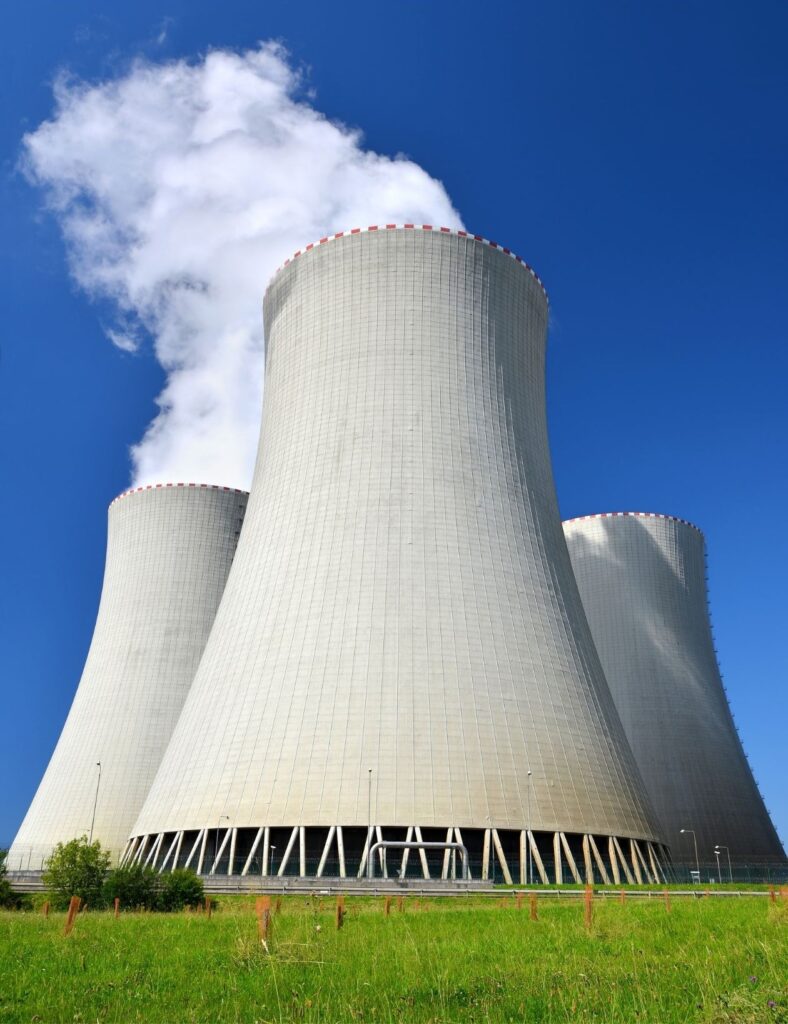
ASX Uranium Stocks vs Nuclear Energy Stocks: What’s the Difference?
The two terms are often used interchangeably, but they are not quite the same thing.
Uranium stocks are companies that mine, develop or process uranium, the fuel that powers nuclear reactors. That is UTRR’s coverage universe, and the ASX has more than 20 companies in this category, from Paladin at the large end down to small cap uranium stocks ASX most investors have never heard of.
Nuclear energy stocks is a broader category. It includes uranium miners, but also nuclear plant operators, nuclear technology and services companies, and in some cases companies exposed to the small modular reactor theme. Most of these broader nuclear energy stocks are listed offshore rather than on the ASX.
For Australian investors, the practical focus is ASX uranium stocks: the miners, developers and enrichment companies that give direct exposure to the uranium price and the broader nuclear build out.
What to Look for in an ASX Uranium Stocks
| Investor Checklist | |
|---|---|
| C1 cash cost per pound: | The uranium equivalent of AISC in gold mining. The lower the cost, the more resilient the company is if prices fall. |
| Resource size and grade: | How many pounds of uranium oxide sit in the ground, and at what grade. Higher grade generally means lower cost to extract. |
| Stage of development: | An operating mine carries very different risk to a restart, a developer working toward a final investment decision, or an early stage explorer. |
| Offtake agreements: | Long-term contracts to sell uranium at agreed prices reduce a company’s exposure to spot price swings and give more certainty over future revenue. |
| Jurisdiction: | Projects in Australia and Canada generally carry lower regulatory and sovereign risk than those in Namibia, Central Asia or other higher risk jurisdictions, though this needs to be weighed against project quality. |
This is what UTRR’s analysts look at before recommending any uranium stock.
What to Look for in an ASX Uranium Stocks
| Investor Checklist | |
|---|---|
| C1 cash cost per pound: | The uranium equivalent of AISC in gold mining. The lower the cost, the more resilient the company is if prices fall. |
| Resource size and grade: | How many pounds of uranium oxide sit in the ground, and at what grade. Higher grade generally means lower cost to extract. |
| Stage of development: | An operating mine carries very different risk to a restart, a developer working toward a final investment decision, or an early stage explorer. |
| Offtake agreements: | Long-term contracts to sell uranium at agreed prices reduce a company’s exposure to spot price swings and give more certainty over future revenue. |
| Jurisdiction: | Projects in Australia and Canada generally carry lower regulatory and sovereign risk than those in Namibia, Central Asia or other higher risk jurisdictions, though this needs to be weighed against project quality. |
This is what UTRR’s analysts look at before recommending any uranium stock.
Risks
- Uranium price volatility: prices can fall quickly if nuclear policy shifts or demand expectations are revised down.
- Regulatory risk: uranium mining is tightly regulated in most jurisdictions, and approvals can take years.
- Geopolitical risk: much of the world’s uranium supply comes from a small number of countries, including Kazakhstan, so any disruption to supply or trade relationships can move prices quickly.
- Development risk: many developers and explorers never reach production, or reach it years later than planned.
- Political risk: not every government supports nuclear power, and policy positions can change with a change of government.
- Capital raise risk: pre revenue and early production companies regularly raise fresh capital, which can dilute existing shareholders.
FAQs
Questions Answered
Paladin Energy is currently the largest pure play uranium producer on the ASX, following the completion of its Langer Heinrich mine ramp up in Namibia.
Uranium demand is being driven by a genuine supply deficit, an accelerating global nuclear build out led by China and India, and a new wave of demand from AI and data centre operators securing nuclear power purchase agreements.
A producer is already mining and selling uranium. A developer owns a project that has not yet reached production, and is working through feasibility studies, financing and construction before it can start generating revenue.
Uranium stocks can be bought through any standard online broker, in the same way as any other ASX listed share. For a full walkthrough, see our guide on how to buy shares on the ASX.
UTRR covers 100+ small cap ASX companies the big brokers do not follow. Members get full buy and sell recommendations, risk ratings, and weekly updates.
Want the Full Research Behind Our Uranium Picks?
UTRR covers 100+ small cap ASX companies the big brokers don’t follow. Members get full buy and sell recommendations, risk ratings and weekly updates.
Discover Tomorrow’s Market Leaders
Uncover emerging ASX opportunities with independent small cap research focused on growth potential.

Build Wealth with Confidence
Access independent blue chip research designed to help you identify quality ASX companies for long-term growth.
Ready to Go Deeper?
Understanding small caps is the first step.
The next is knowing which ones to own. Under The Radar Report has been identifying quality ASX small cap opportunities for Australian investors since 2011. Our research team covers the full small cap universe with independent, institutional-grade analysis without the conflicts of interest that come with broker research.
Explore our best small cap picks, browse the full ASX small caps list, or join today to access our complete research library.