



Richard is an experienced equities analyst, stockbroker, and financial editor, having worked for over 30 years in finance.
Why Growth + Dividends Beat Chasing Yield
Growth + Dividends Beat Chasing Yield: The Small Cap Strategy That Has Returned 15.8% a Year
As the end of the financial year approaches, one of the highlights on our calendar is releasing our latest Small Cap Dividend Portfolio.
Twice each year we build a portfolio of profitable Australian small-cap companies that combine sustainable dividends with the potential for long-term capital growth.
It isn’t simply about finding the highest dividend yield. It’s about identifying businesses capable of growing both earnings and dividends over many years.
That approach has worked well.
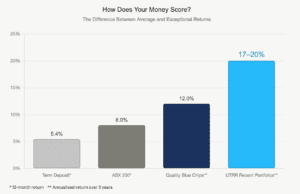
Across 18 dividend portfolios, our average annual return has been 15.8%, compared with 4.9% for the All Ordinaries Index over the same period.
EOFY Mega Sale: Save $205
We’re offering our biggest discounts of the year – but they end on 30 June.
Full Investment Path: $1,023 Now $818 (Save $205)
Small Caps: $697 Now $592 (Save $105)
Why Dividend Investing Still Works
Australia remains one of the best markets in the world for dividend investors thanks to the combination of attractive dividend taxation and a deep pool of profitable listed companies.
Our investment process is built around four key principles.
1. Diversification
Many of the best dividend opportunities are found outside the major share market indices. Owning a diversified portfolio of quality small companies provides exposure to opportunities many investors overlook.
2. The 20:80 Rule
In almost every portfolio, a relatively small number of companies generate most of the long-term returns.
By owning enough quality businesses, investors increase their chances of capturing these outstanding performers.
3. Portfolio Refreshing
Every six months we reassess the Small Cap portfolio, while periodic rebalancing helps keep capital allocated towards the strongest opportunities.
4. Higher Interest Rates Support Income
Interest rates remain higher than many expected, increasing the appeal of companies able to consistently generate profits and pay dividends.
Inflation Makes Income Even More Valuable
Inflation continues to prove stubborn.
That means investors increasingly need assets capable of producing reliable income while still offering capital growth.
Small-cap dividend companies can provide both.
Unlike fixed income investments, quality businesses have the ability to grow profits, increase dividends and create significant capital appreciation over time.
Two Dividend Stocks We’re Watching
Acrow (ASX: ACF)
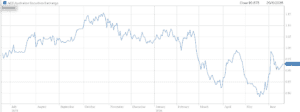
Acrow is one of Australia’s leading scaffolding and formwork specialists servicing major construction and infrastructure projects.
While earnings have recently been impacted by higher costs and increased capital expenditure, much of this investment cycle now appears behind the company.
With major infrastructure spending continuing and opportunities emerging ahead of the Brisbane 2032 Olympic Games, we believe Acrow is well positioned for improving profitability.
Our forecast dividend yield is approximately 5.6%, and we believe the current 5-cent dividend remains sustainable.
XRF Scientific (ASX: XRF)
XRF Scientific supplies specialised equipment and consumables used in mineral testing laboratories around the world.
It has been one of our long-term favourites.
The business combines strong earnings momentum with an exceptionally healthy balance sheet, supported by a net cash position.
Although the forecast dividend yield is lower at around 3%, the real attraction is the company’s ability to continue growing both profits and dividends over time.
Dividend Growth Matters More Than Starting Yield
One of the biggest misconceptions about dividend investing is that investors should simply chase the highest yield.
In reality, growing businesses that steadily increase their dividends often deliver far stronger long-term returns than companies paying unsustainably high yields.
For small-cap investors especially, dividend growth is frequently just as important as dividend income.